Firefighters Exposed to Asbestos in North Carolina
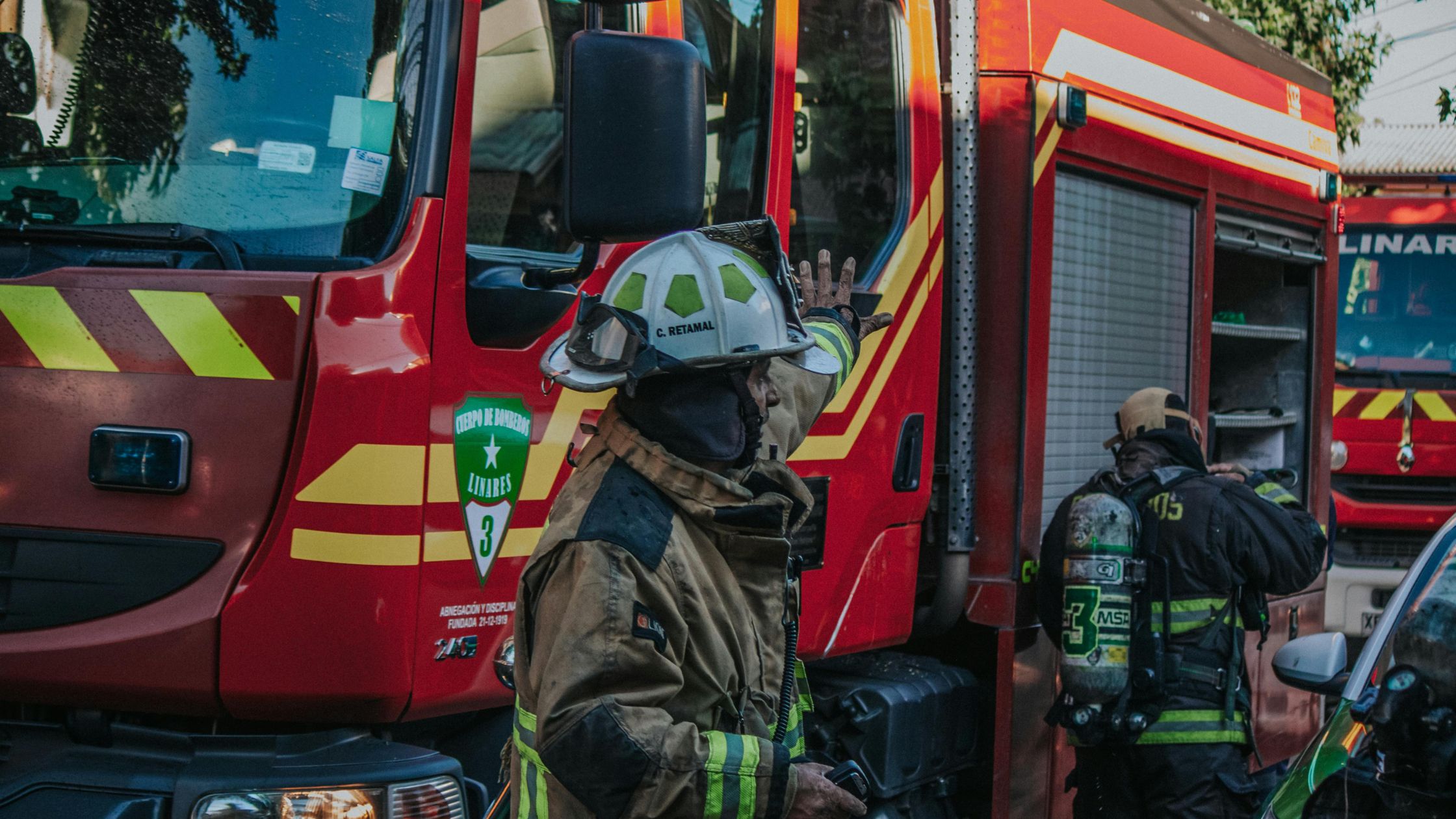
Firefighters put themselves in dangerous situations every day to protect people across North Carolina. Smoke, collapsing structures, and toxic chemicals often come with the job. Asbestos is one hazard many firefighters do not realize they have encountered.
Firefighters exposed to asbestos may face serious health problems years after the exposure happened, including mesothelioma and other respiratory diseases. If you or someone in your family developed an asbestos-related illness after service as a firefighter, you may have legal options available through personal injury lawsuits, claims against asbestos trust funds, and workers’ compensation claims.
Ward Black Law helps firefighters and families in Greensboro and throughout North Carolina pursue compensation connected to occupational asbestos exposure for firefighters. Contact us today at (336) 333-2244 for a free consultation to discuss your situation and learn how we can help.
NC firefighter asbestos exposure cases often involve complicated medical evidence and asbestos product history. You may know you worked around hazardous materials for years, but still have questions about where the exposure occurred and who may be responsible.
The asbestos exposure attorneys at Ward Black Law are ready to investigate your work history and identify possible sources of asbestos exposure. When you work with our team, we can help by:
North Carolina firefighters often spent years entering burning structures before modern asbestos regulations became more common. Many did not receive warnings about long-term exposure risks. Some firefighters also experienced secondary exposure while handling contaminated turnout gear, debris, or damaged insulation after fires.
Our North Carolina asbestos exposure lawyers understand the unique patterns firefighters face and the long delay that often exists between exposure and diagnosis.
Asbestos exposure for firefighters in North Carolina can happen during nearly every phase of emergency response work. Heat and structural damage can disturb asbestos-containing materials, releasing tiny fibers into the air. Once inhaled, the fibers may remain in the body for decades.
Overhaul operations often create particularly dangerous conditions because firefighters remain inside damaged buildings long after active flames are controlled. During this phase, crews search for hidden hot spots and inspect damaged areas where asbestos dust may still circulate.
Occupational asbestos exposure for firefighters may also occur at training facilities where older construction materials remain. Some firefighters experienced repeated exposure over decades without respiratory protection designed for asbestos hazards.
Older buildings across North Carolina still contain asbestos materials despite modern regulations limiting their use. Structures built before the 1980s often included asbestos in everything from insulation to flooring. Many older firefighting products also contained asbestos.
Many firefighters in Greensboro and other parts of the state respond to emergencies involving:
When fires damage these structures, asbestos fibers may become airborne quickly. Demolition, explosions, collapsing walls, and ventilation efforts can spread contamination throughout the area.
North Carolina’s history of manufacturing and industrial development also contributes to firefighter asbestos exposure in NC. Older factories and industrial plants frequently used asbestos products around boilers, pipes, machinery, and electrical systems because the material resisted heat and fire.
Even after a fire ends, asbestos dust may remain on clothing, helmets, gloves, and breathing equipment. Firefighters who repeatedly handled contaminated gear over the course of their careers may have experienced cumulative exposure.
Firefighters may encounter asbestos in a wide range of building materials and industrial materials during emergency calls, including:
Mesothelioma in firefighters in NC is one of the most serious illnesses associated with asbestos exposure. Mesothelioma is an aggressive cancer that develops in the lining surrounding the lungs, abdomen, or heart after asbestos fibers become trapped in the body.
Firefighters exposed to asbestos may also develop:
Many asbestos-related illnesses take decades to appear. A firefighter may not receive a diagnosis until 20 to 50 years after the original exposure.
Asbestos-related diseases may begin with symptoms that seem minor at first. You should speak with a doctor if you experience symptoms such as:
Mesothelioma symptoms often resemble less serious conditions in the early stages. Delayed diagnosis can make treatment more difficult, so firefighters with long-term asbestos exposure histories should discuss the risks with their healthcare providers.
Mesothelioma has one of the longest latency periods of any occupational disease. Many firefighters do not develop symptoms until decades after asbestos exposure occurred. In many cases, mesothelioma develops 20 to 50 years after repeated exposure to asbestos fibers. A retired firefighter may receive a diagnosis long after leaving active service.
Firefighters diagnosed with asbestos-related illnesses may have several legal options available depending on the circumstances of their exposure. Compensation may help cover medical treatment, lost income, pain and suffering, travel costs for treatment, and other financial and personal losses.
Many asbestos manufacturers filed for bankruptcy after facing large numbers of claims. Courts required some of these companies to establish asbestos trust funds to compensate people diagnosed with asbestos-related illnesses.
A firefighter cancer asbestos lawsuit in NC may involve claims against multiple manufacturers whose products contributed to the exposure.
North Carolina law limits the amount of time you have to file asbestos-related claims after diagnosis or discovery of an illness. Deadlines may vary depending on the type of claim involved, including wrongful death actions. Waiting too long can prevent you from recovering compensation, so it is important to speak with a lawyer soon after receiving a diagnosis.
If you developed mesothelioma or another asbestos-related illness connected to firefighting work, you may have options for pursuing compensation.
Ward Black Law represents firefighters and families in Greensboro and across North Carolina in asbestos exposure cases. Contact us today at (336) 333-2244 or contact us online to schedule a free consultation with a North Carolina firefighter asbestos lawyer.